
By Darlene Terrill, Regional Vice President, Iowa and Minnesota
In rural communities, people can disappear in plain sight.
A Veteran may live miles from the nearest provider. They may be proud, private, or tired of explaining their story. They may be dealing with grief, PTSD, traumatic brain injury, chronic health needs, substance use, unemployment, housing instability, or the simple loneliness that can settle in when life after service does not feel like anyone expected. Waiting for Veterans in that situation to come find us is not enough.
Through the Veteran’s Administration Supportive Services for Veteran Families (SSVF) Housing First grant and the Family Alliance for Veterans of America (FAVA) in Iowa, WestCare focuses on housing stability, homelessness prevention, rapid rehousing, outreach and case management for those eligible. Outreach, case management, peer support, and suicide prevention are provided in Iowa and Minnesota through the Staff Sergeant Gordon Parker Fox Suicide Prevention (SSGPFSP) grant and FAVA, giving us a chance to reach Veterans and their families before crisis becomes fatal.
That kind of work is personal to me. Rural outreach is not just a program design. It is knowing that a phone call, a home visit, a ride, help with documents, or a connection to benefits can change the direction of a life. It is understanding that families are often part of the story too. A spouse, child, grandchild, or caregiver may be carrying stress right alongside the Veteran.
Housing is one of the most important forms of suicide prevention. When someone is facing eviction or homelessness, every other challenge becomes harder. A safe place to stay gives a Veteran room to breathe, plan, and accept help. Suicide prevention requires people who can reach out first. That is why programs like Supportive Services for Veteran Families (SSVF) and Staff Sergeant Gordon Parker Fox Suicide Prevention (SSGPFSP) are so impactful.
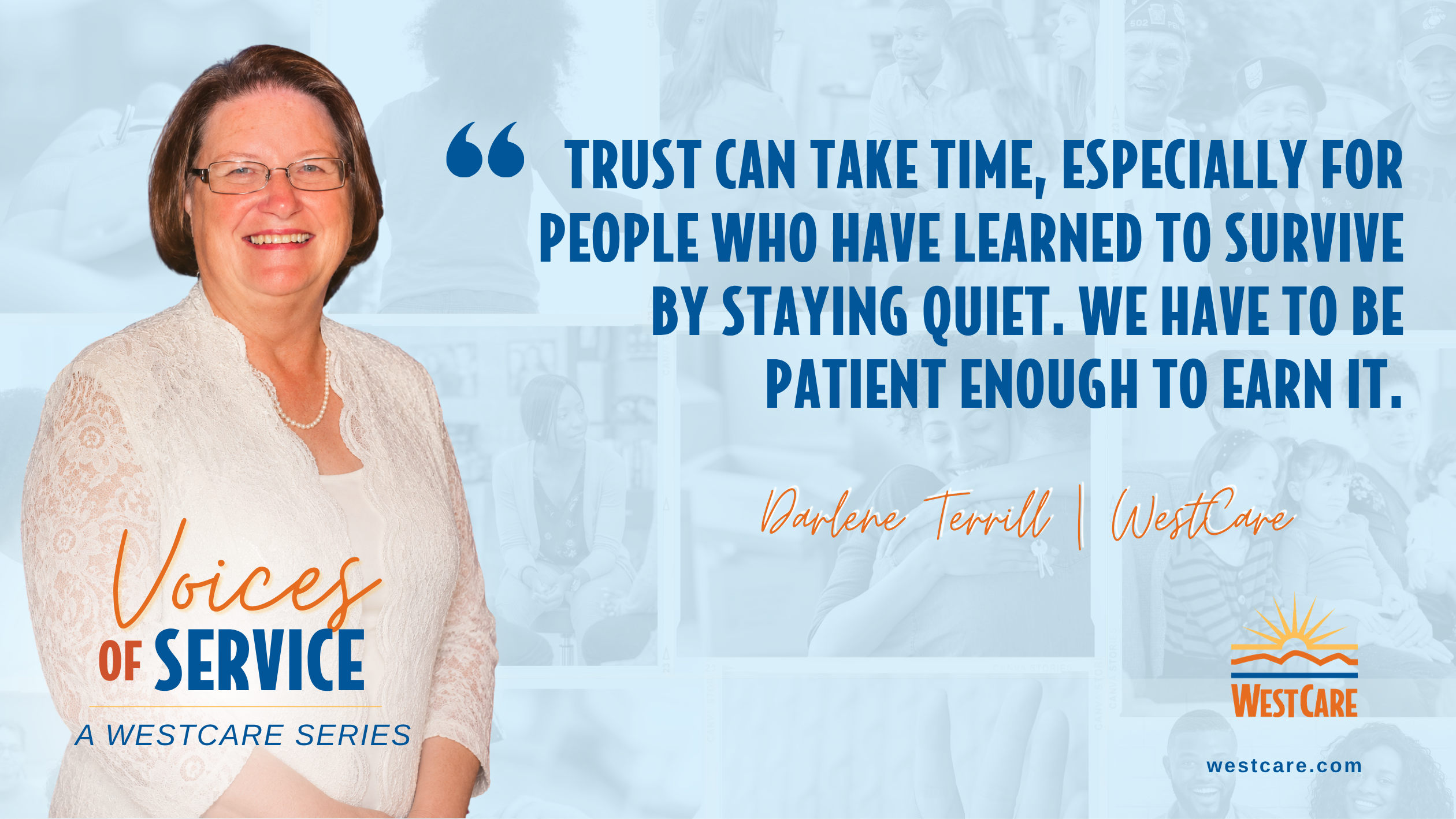
Peer Support matters too. Veterans may open up differently to someone who understands military life and transition. Trust can take time, especially for people who have learned to survive by staying quiet. We have to be patient enough to earn it.
As Veterans Day approaches, I hope we remember that gratitude should be active. Saying thank you is important, but it is not enough. We honor Veterans by making sure support reaches them before they are in crisis, by strengthening rural access, and by keeping families housed.
Suicide prevention is not only a mission. It is a community refusing to let a Veteran carry the heaviest burdens alone. It is restoring dignity and respect for men and women who have sacrificed so much for all of us.


