
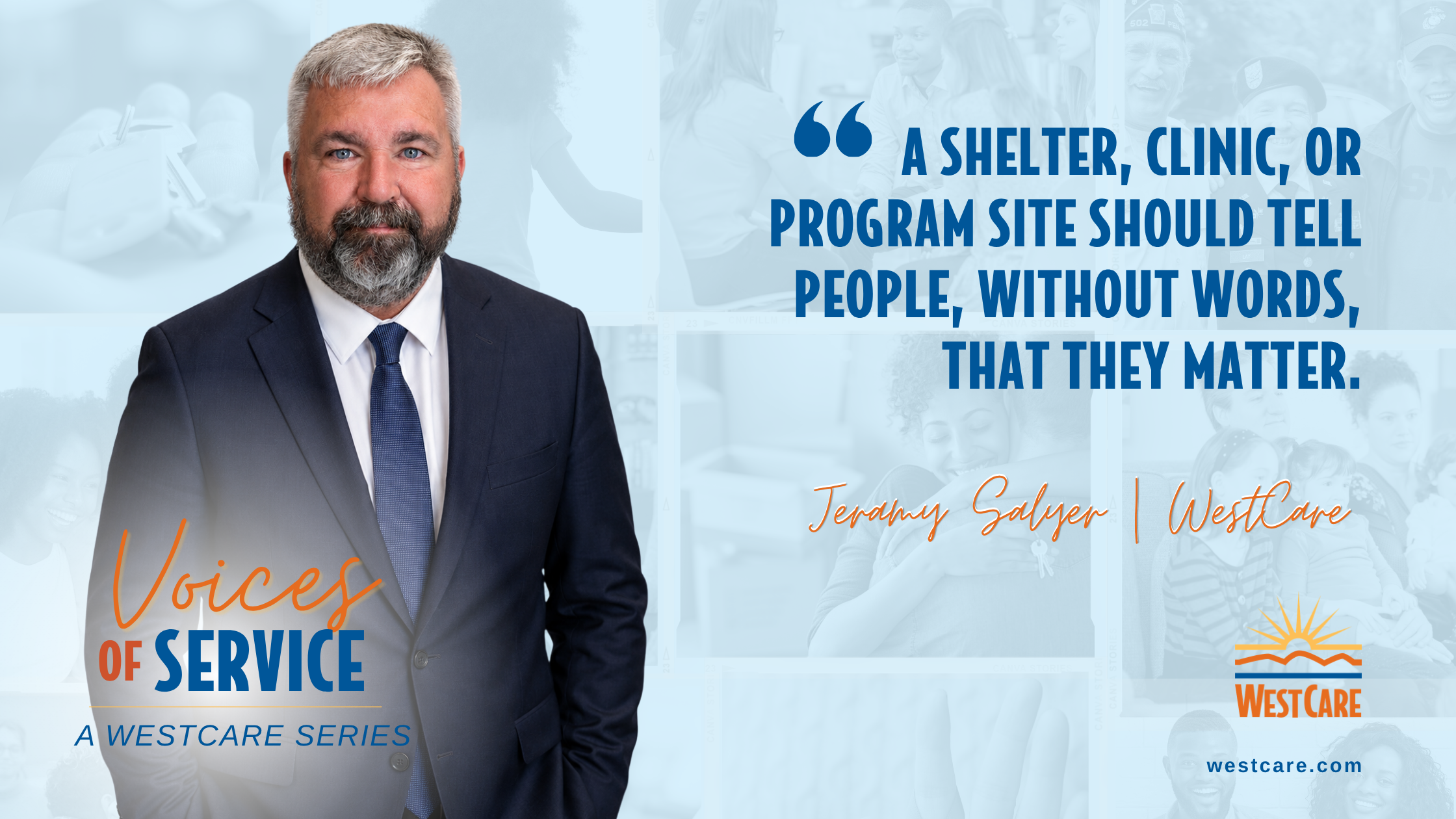
By Jeramy Salyer, Senior Vice President, FitzHouse Enterprises
I have learned a lot from old buildings.
Some of them look worn down from the outside. Paint fades. Floors settle. Pipes age. A roof that held strong for years starts to show deterioration. If you only look quickly, it is easy to decide the building is too far gone.
But restoration asks for a different kind of attention. You slow down. You look for what is still strong. You check the foundation. You listen to the people who know the place. You make a plan, not just to make it look better, but to make it safe, useful, and welcoming again.
That work feels very familiar to WestCare’s mission.
People also get judged by what is visible on the outside. Addiction, trauma, homelessness, incarceration, grief, poverty, and untreated mental health needs can leave marks. Sometimes the world sees those marks and assumes the whole story is already written. But people are not disposable. Neither are communities.
A good restoration does not pretend damage never happened. It respects the history of the place while making room for a different future. The same is true in care. Healing is not a quick coat of paint. It takes time, skilled hands, patience, and the belief that something valuable remains even after hard seasons.
In my role with FitzHouse Enterprises, I think often about the connection between physical spaces and human dignity. A treatment center should feel safe. Recovery housing should feel steady. An office where someone asks for help should be clean, accessible, and respectful. A shelter, clinic, or program site should tell people, without words, that they matter.
Buildings cannot do the work of recovery by themselves. Staff do that. Clients do that. Families, partners, and communities do that. But buildings can either support the work or make it harder. A repaired roof, a private counseling space, a functioning kitchen, or a welcoming common area can change how a person experiences care.
Restoration is never just about what we fix. It is an initial building block for recovery. Vulnerable clients need a safe and secure place to begin their recovery journey.
When we invest in spaces where people heal, we are saying something important. We are saying that the people who walk through those doors deserve more than survival. They deserve safety, respect, and a place where rebuilding feels possible.
![Read more about the article National Coloring Day Coloring Pages [DOWNLOAD]](https://westcare.com/wp-content/uploads/2023/11/pexels-mentatdgt-1078744-300x200.jpg)