By Aja Ramos, Chief Operating Officer, WestCare Pacific Islands
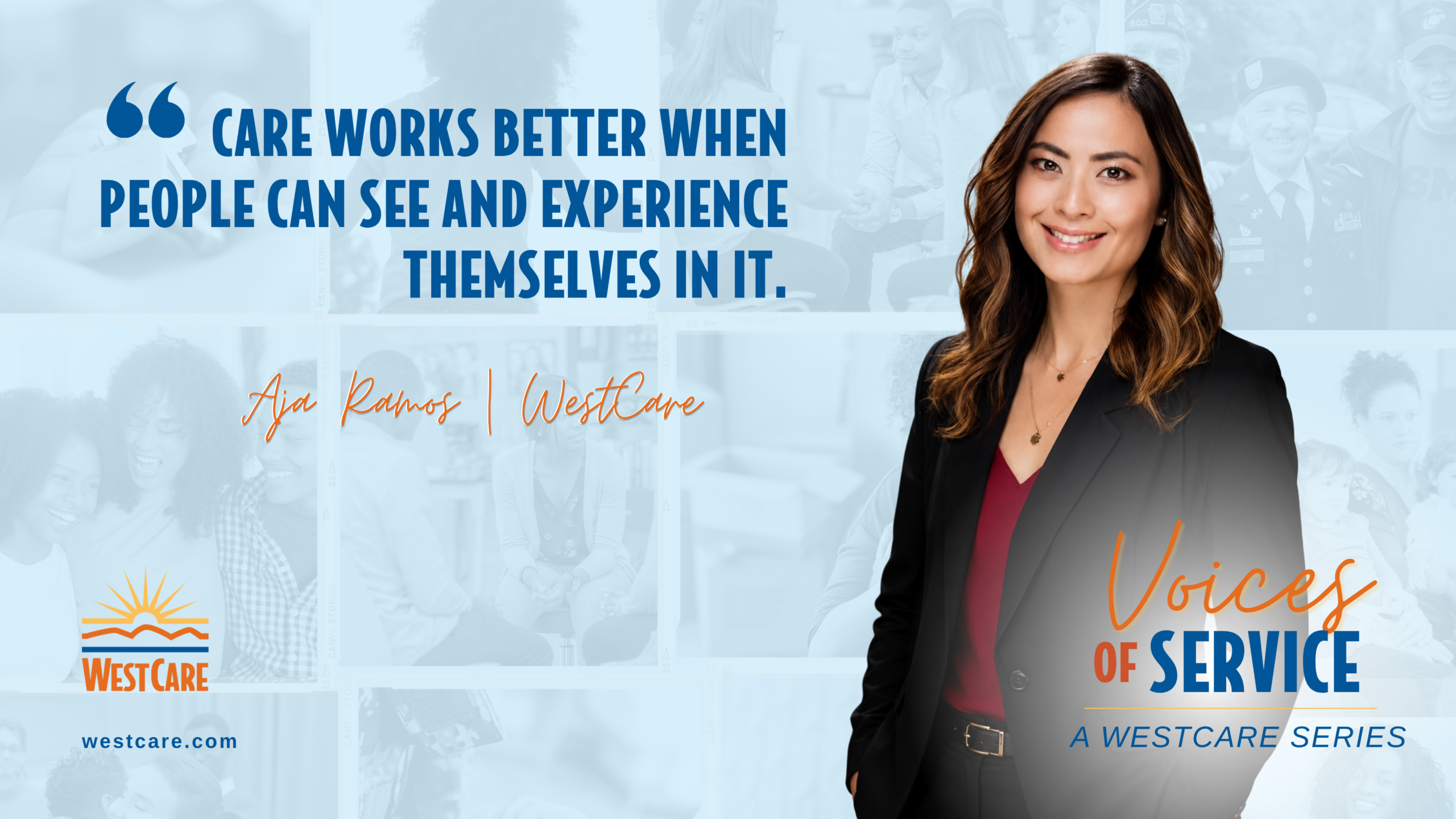
When I think about behavioral health in the Pacific Islands, I do not begin with a form or a diagnosis. I begin with family and community. I think about language, faith, village life, elders, young people, and the history that our communities carry. I think about the simple truth that care works better when people can see and experience themselves in it.
Culture is not something added after the service is designed. Culture is at the heart of the service. It shapes how people talk about pain, whether they trust a provider, who they turn to first, and what healing looks like in daily life. In Guam, CNMI, and Palau, behavioral health support has to respect the strength, traditions, and beliefs of local communities while also addressing serious needs like substance use, trauma, housing instability, youth crisis, and family stress.
That respect means listening before assuming. It means working with courts, schools, housing partners, local agencies, and families. It means recognizing that stigma can keep people silent, especially in close-knit places where everyone seems to know everyone. It means creating ways for people to ask for help without feeling exposed or judged.
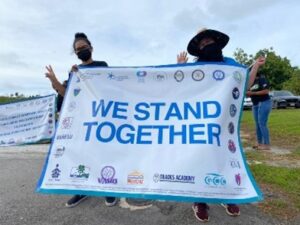
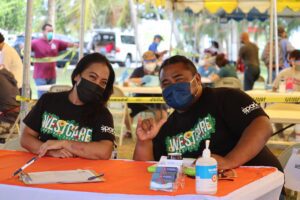
Across the Pacific Islands Region, WestCare’s work includes prevention, treatment, emergency support, Veteran services, housing connections, and youth and family care. In Guam, the merger with Sanctuary expanded a legacy of service to children, adolescents, and caregivers. In CNMI, collaboration with Mental Health Court helps connect people to support that can stabilize lives and strengthen accountability. In Palau, prevention and parenting education help families talk more openly about substance use and well-being.
Those services look different from one island to another because the communities are different. That difference is critical because a one-size-fits-all approach does not honor culture, geography, or lived experience. The goal is not to bring an outside answer and ask people to fit inside it. The goal is to build with communities so support feels local, respectful, and meaningful.
I have witnessed what happens when people feel seen. A young person participates instead of shutting down. A caregiver asks a question they were afraid to ask. A court-involved participant begins to believe recovery is possible. A family that has been under pressure finds a little more room to breathe.
Behavioral health, in the Pacific Islands and beyond, is strengthened when community is at the center. When care honors culture, healing and hope begin.