By Cheryl DeBatt, Regional Vice President, WestCare Arizona
In rural communities, behavioral health crises often come to the attention of law enforcement before they ever reach a treatment provider. That reality should concern all of us.
Individuals entering the justice system may be struggling with substance use disorders, untreated mental health conditions, homelessness, domestic violence, or unresolved trauma. Many face significant barriers to care, including long travel distances, limited local resources, and unreliable transportation. By the time they encounter law enforcement, the need for intervention has often become urgent.
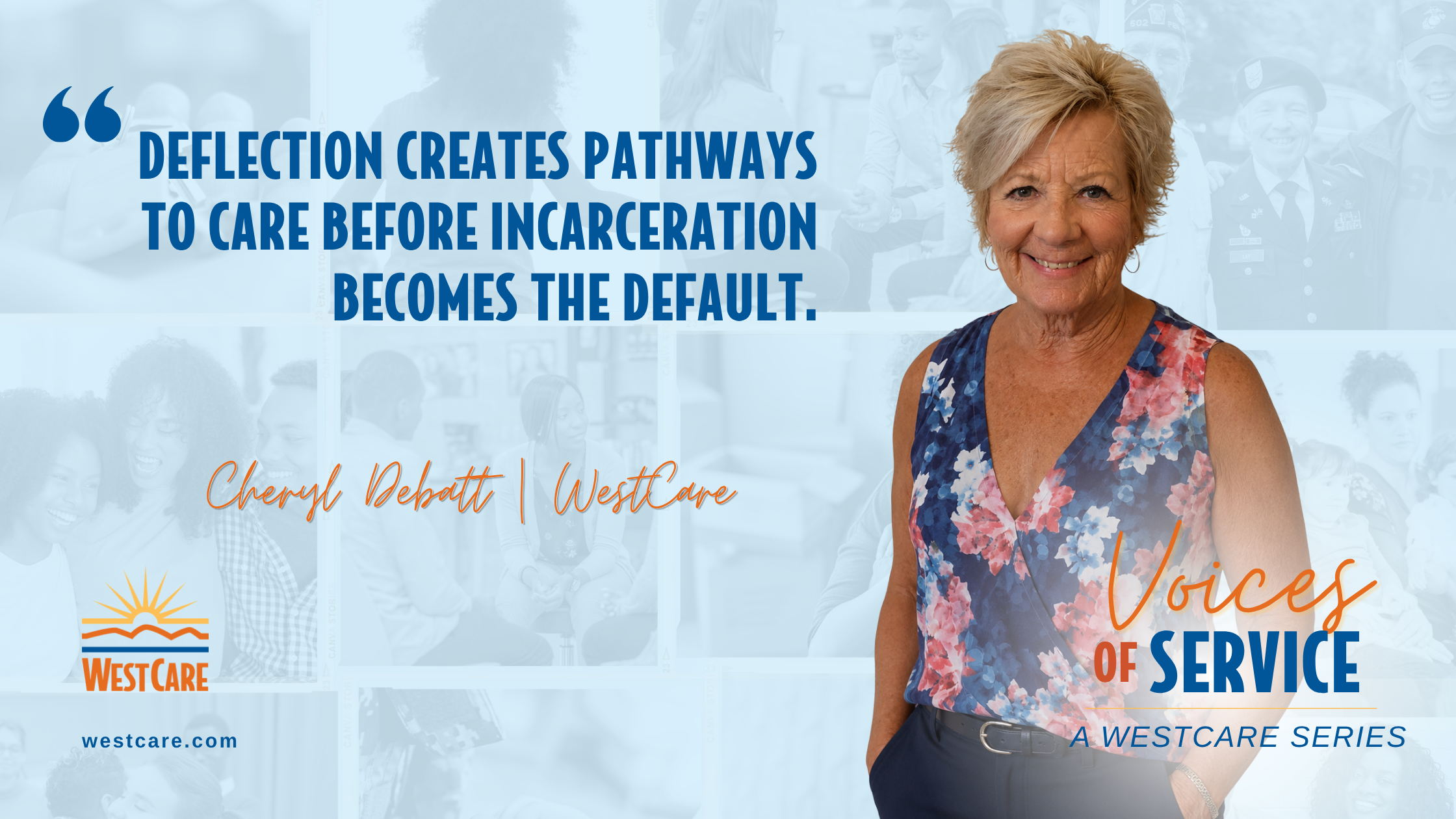
Deflection offers a more effective response. Rather than allowing incarceration to become the default solution, deflection connects individuals with behavioral health treatment, recovery support, housing resources, and community-based services while maintaining accountability. It recognizes that lasting public safety is achieved not only through enforcement but by addressing the underlying conditions that contribute to repeated crises and justice involvement.
In Arizona, WestCare provides a comprehensive continuum of behavioral health services, residential and outpatient substance use treatment, reentry support, housing assistance, prevention programs, and domestic violence services throughout Mohave, Yavapai, and Pima Counties. Our experience has demonstrated that successful rural care depends on strong partnerships. Through our collaboration with the Mohave County Detention Center, we have strengthened behavioral health services and coordinated reentry planning to help individuals successfully transition back into their communities.
Effective rural systems are built through collaboration among law enforcement, counties, tribal governments, healthcare providers, hospitals, community organizations, and funders. Together, these partnerships create pathways to care that improve outcomes for individuals while strengthening public safety. The objective is not to excuse criminal behavior; it is to reduce repeated crises by connecting people with the treatment and support they need to achieve lasting recovery and stability.
Investing in deflection and coordinated reentry services is an investment in safer communities, healthier families, and stronger local economies. By creating more opportunities for intervention before individuals run out of options, we reduce recidivism, improve community well-being, and restore hope and dignity to those working to rebuild their lives.