
By Beverly Watts-Davis, Chief Officer of Resource Development/Program Support
Prevention does not always look dramatic.
Sometimes it looks like a young person learning how to make a safer choice. Sometimes it looks like a parent getting information before a situation becomes dangerous. Sometimes it looks like a faith leader, teacher, coach, or neighbor recognizing warning signs and knowing where to send someone for help. Sometimes it looks like a conversation that happens early enough to change what comes next. It is the most humane and cost-effective thing that communities can do!
I have spent much of my career watching communities respond to crisis. Crisis response is necessary, and it can save lives. But if we only show up after the worst has happened, we are always asking individuals, families, and communities to pay too high a price.
Prevention is the work before the crisis. It is education, outreach and engagement, trust, and readiness. It helps communities talk about substance use, mental health, domestic violence, trauma, and family stress before silence becomes dangerous. It gives people language for what they are experiencing. It helps them understand that asking for support is not weakness.
During Substance Use Prevention Month and Domestic Violence Awareness Month, we have an opportunity to think honestly about what prevention requires. It is not a single presentation or flyer. It is sustained community investment. It is youth programs that build confidence. It is family support that reduces isolation. It is training for trusted messengers. It is collaboration between providers, schools, faith communities, law enforcement, public agencies, and local leaders.
Resources matter too. Prevention work needs funding, staff, evaluation, and patience. The impact may not always be visible right away because the best outcome is often something that does not happen: the overdose avoided, the violent incident interrupted, the youth who chose a different path, the parent who reached out sooner, the family that found safety before tragedy.
That can make prevention easy to undervalue. We should not make that mistake.
Communities are strongest when they do not wait for people to break before offering help. We need to create spaces where questions are welcome, where stigma is challenged, and where families can connect to practical support without fear of judgment.
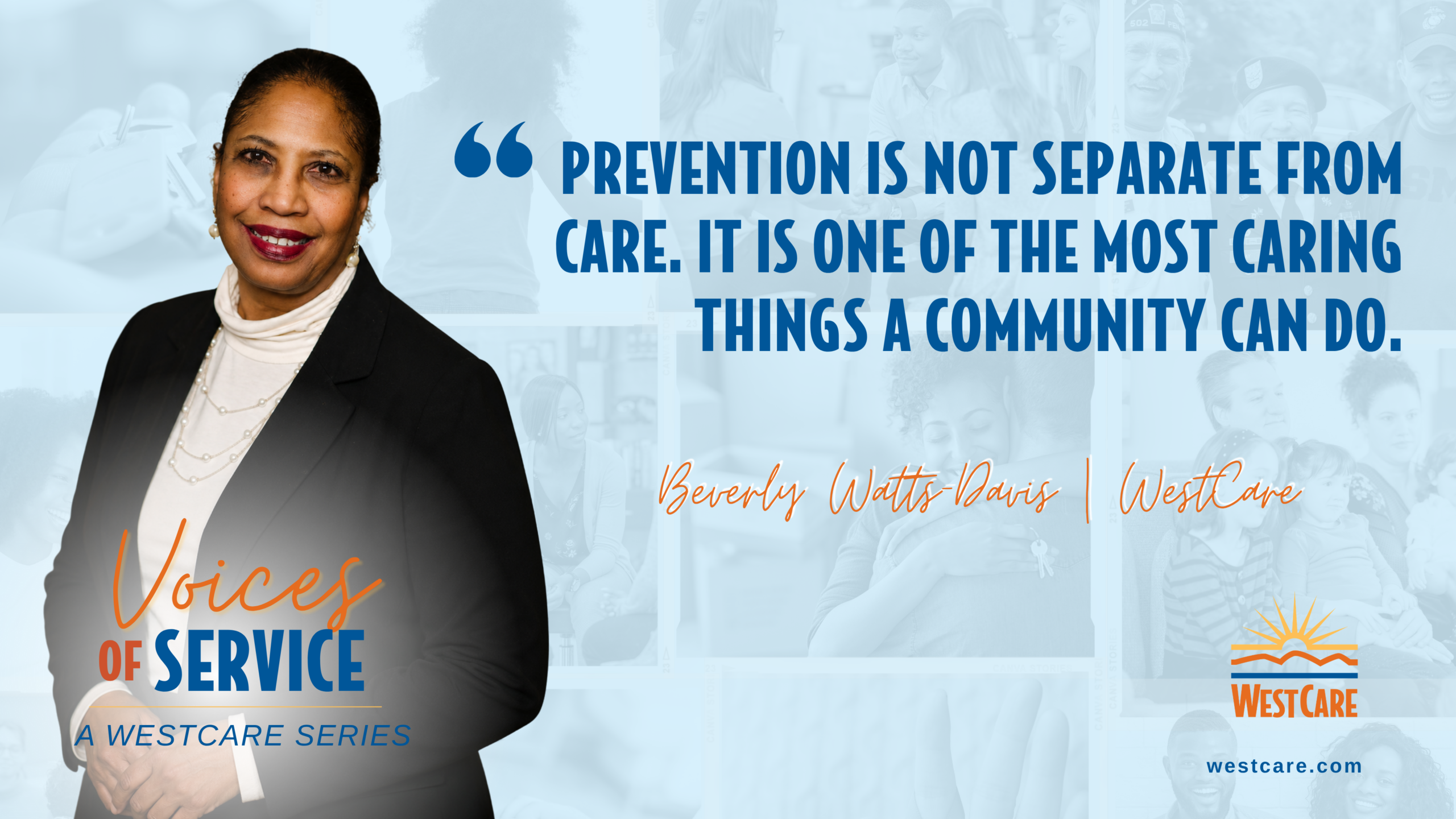
Prevention is not separate from care. It is one of the most caring things a community can do. It says to people, “You matter before the emergency. Your family matters before the crisis. Your future matters before the harm becomes harder to repair and overcome.”
![Read more about the article National Coloring Day Coloring Pages [DOWNLOAD]](https://westcare.com/wp-content/uploads/2023/11/pexels-mentatdgt-1078744-300x200.jpg)