By Leo Magrdichian, Regional Vice President, WestCare Nevada
Recovery changes a person. It also changes a family.
When someone begins treatment, the people who love them often carry their own mix of hope, fear, anger, and exhaustion. Children may be waiting for consistency. Parents may be trying to rebuild trust. Fathers may be learning how to show up differently. Mothers may be working toward reunification while also healing from trauma, substance use, and the pressure of keeping a family together.
At WestCare Nevada, we see recovery as family work because addiction and mental health challenges rarely affect one person alone. Our services reach individuals and families through residential, outpatient, and community-based care, including support for women and children, fatherhood programming, perinatal recovery, housing, withdrawal management, and mobile treatment access.
The Women and Children’s Center has shown what can happen when treatment understands the bond between a parent and child. Keeping families connected, when safe and appropriate, can be a powerful part of healing. A parent who can hold onto that relationship while receiving treatment has a reason to keep going on hard days.
Fatherhood matters too. Too often, fathers are spoken about only in terms of absence or failure. But many men want to rebuild. They need tools, accountability, emotional support, and a chance to learn how to be present in ways they may never have experienced themselves. When fathers grow, families grow.
Perinatal recovery is another place where compassion is essential. A parent entering recovery during pregnancy or after birth may carry deep shame and fear. Judgment does not make the baby safer. Connection, treatment, medical coordination, and support do.
We also have to talk about access. Nevada is a large state, and rural communities cannot be left out of recovery. Mobile medication-assisted treatment helps bring life-saving care closer to people who might otherwise go without it. Housing support is equally important because family stability is hard to rebuild without a safe place to live.
I have watched people leave treatment with more than sobriety. They leave with a better understanding of who they are, what their children need, and how to ask for help before crisis returns. That kind of change is not easy. It takes honesty, structure, patience, and community.
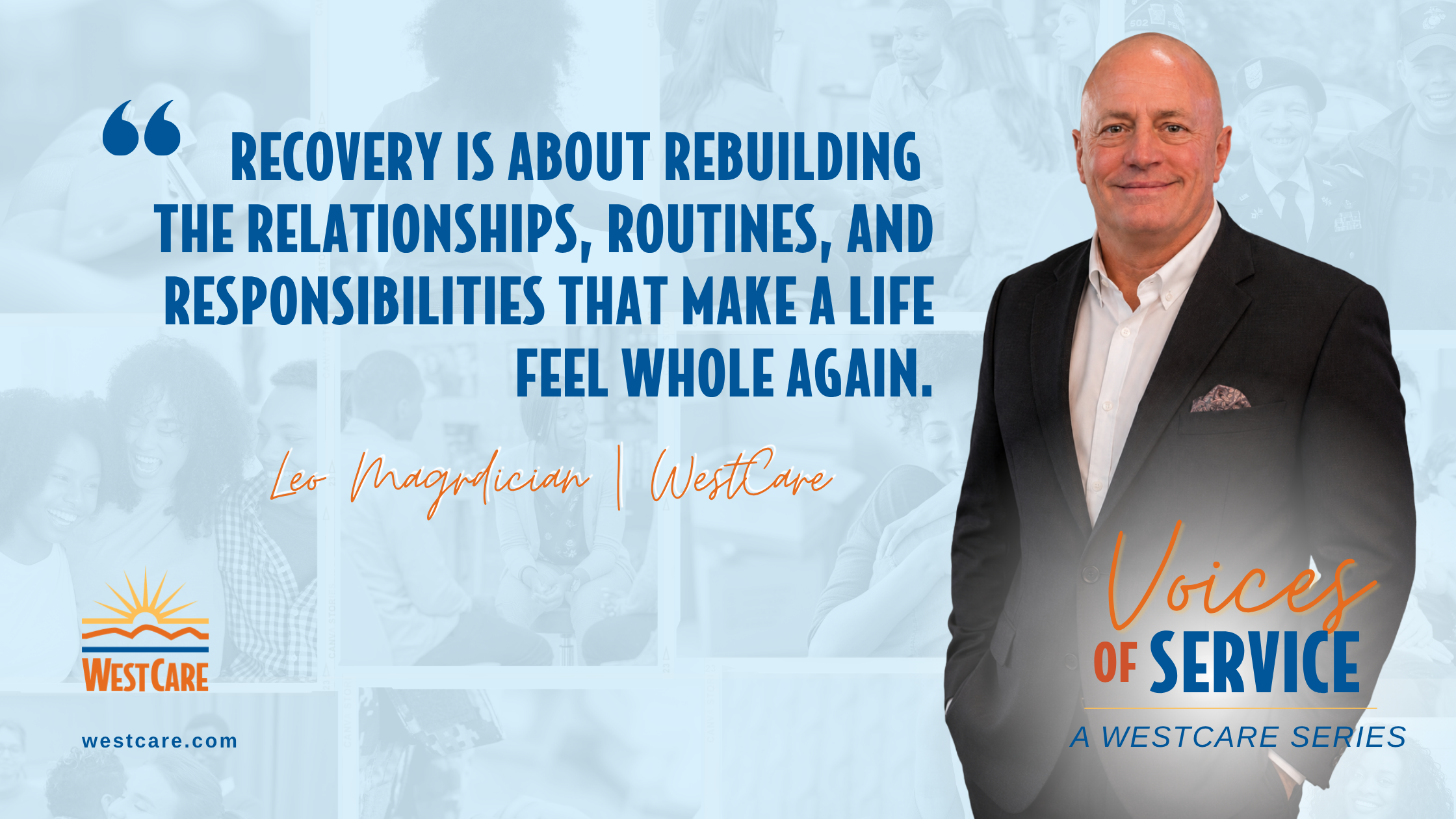
Recovery is not just about stopping something harmful. It is about rebuilding the relationships, routines, and responsibilities that make a life feel whole again.